
L.E. Wilson197561508
L.E. Wilson Case Gage 7mm PRC$38.72
Availability: In Stock
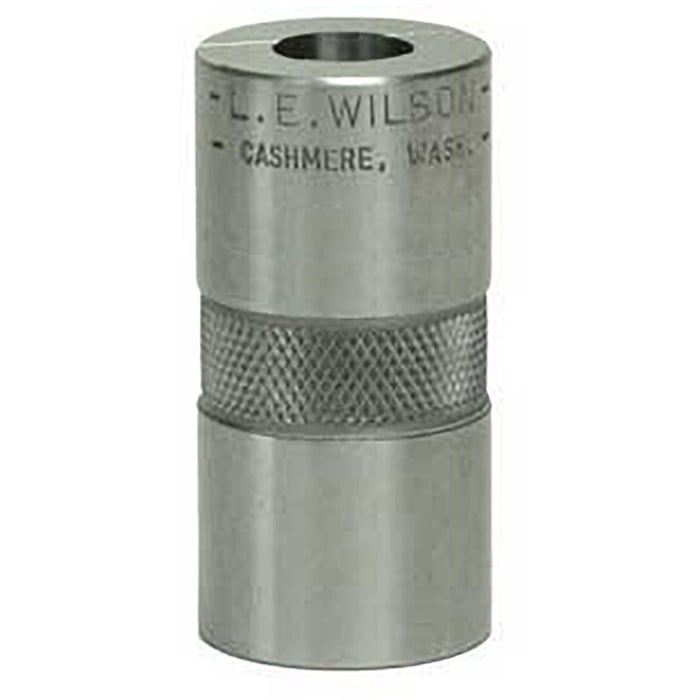
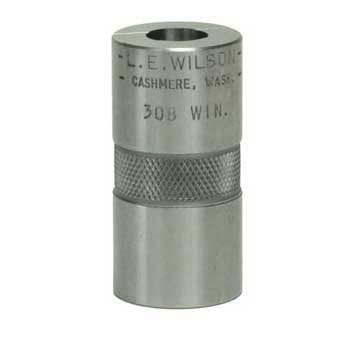
The L.E. Wilson 7mm-08 Remington case gage is a precision measurement tool every reloader should have in their bench setup. Whether you're fine-tuning a new 7mm-08 load or maintaining brass that's seen multiple firings, this single-piece gage gives you quick, accurate readings of the two critical dimensions that separate safe, consistent ammunition from dangerous mistakes: overall length and headspace. It's the simplest way to catch the most common reloading error—oversizing brass—before it damages cases or creates pressure problems.
Headspace management is where this tool earns its place on your reloading bench. Fired cases naturally stretch, and if you don't know how much, your full-length resizing die will either leave you short of proper headspace or crush your brass trying to compensate. A quick check with the L.E. Wilson gage and a caliper tells you exactly where you stand. Pair that with regular length checks—the gage flags cases that need trimming—and you'll extend case life while keeping your loads safe and uniform.
L.E. Wilson's straightforward design has been trusted by handloaders for decades. No adjustments, no complications; just a hardened steel gage, clear reference shoulders, and the instruction sheet you need to understand what your measurements mean. It's built to last through hundreds of brass checks without wear.
| Overall Length (OAL) | 2.494" |
| Large End Diameter (ID) | .473" |
| Small End Diameter (ID) | .347" |
| Outer Diameter (OD) | .991" |
| Finish | Silver with knurled center section |
| Includes | Gage and instruction sheet |
The gage lets you measure two critical dimensions: overall case length (using the reference shoulders on the gage) and headspace (the distance from the head of the case to the datum point on the shoulder). You'll use a standard caliper to take these measurements, comparing your fired brass against the gage's dimensions to determine if trimming is needed and if your resizing die is setting headspace correctly.
Oversize brass happens when you run your resizing die too far and crush the case beyond what's necessary. A case gage shows you exactly where your brass stands after firing and after resizing, so you can dial in your full-length die to do only what's needed. Less aggressive resizing means longer case life and more reloads per piece of brass.
Yes. The gage serves as a reference tool to help you adjust your full-length resizing die correctly. After resizing a fired case, check it against the gage with a caliper. If the measurement is off, adjust your die slightly and test again until your resized cases match the gage dimensions, ensuring proper headspace without oversizing.
No. Experienced reloaders use case gages regularly as part of quality control, especially when maintaining long-range or precision loads where consistency matters. It's a simple, reliable way to catch issues that might otherwise go unnoticed until they affect accuracy or safety.
SKU: 197558523 • Weight: 0.4oz

Availability: In Stock
The L.E. Wilson 7mm-08 Remington case gage is a precision measurement tool every reloader should have in their bench setup. Whether you're fine-tuning a new 7mm-08 load or maintaining brass that's seen multiple firings, this single-piece gage gives you quick, accurate readings of the two critical dimensions that separate safe, consistent ammunition from dangerous mistakes: overall length and headspace. It's the simplest way to catch the most common reloading error—oversizing brass—before it damages cases or creates pressure problems.
Headspace management is where this tool earns its place on your reloading bench. Fired cases naturally stretch, and if you don't know how much, your full-length resizing die will either leave you short of proper headspace or crush your brass trying to compensate. A quick check with the L.E. Wilson gage and a caliper tells you exactly where you stand. Pair that with regular length checks—the gage flags cases that need trimming—and you'll extend case life while keeping your loads safe and uniform.
L.E. Wilson's straightforward design has been trusted by handloaders for decades. No adjustments, no complications; just a hardened steel gage, clear reference shoulders, and the instruction sheet you need to understand what your measurements mean. It's built to last through hundreds of brass checks without wear.
| Overall Length (OAL) | 2.494" |
| Large End Diameter (ID) | .473" |
| Small End Diameter (ID) | .347" |
| Outer Diameter (OD) | .991" |
| Finish | Silver with knurled center section |
| Includes | Gage and instruction sheet |
The gage lets you measure two critical dimensions: overall case length (using the reference shoulders on the gage) and headspace (the distance from the head of the case to the datum point on the shoulder). You'll use a standard caliper to take these measurements, comparing your fired brass against the gage's dimensions to determine if trimming is needed and if your resizing die is setting headspace correctly.
Oversize brass happens when you run your resizing die too far and crush the case beyond what's necessary. A case gage shows you exactly where your brass stands after firing and after resizing, so you can dial in your full-length die to do only what's needed. Less aggressive resizing means longer case life and more reloads per piece of brass.
Yes. The gage serves as a reference tool to help you adjust your full-length resizing die correctly. After resizing a fired case, check it against the gage with a caliper. If the measurement is off, adjust your die slightly and test again until your resized cases match the gage dimensions, ensuring proper headspace without oversizing.
No. Experienced reloaders use case gages regularly as part of quality control, especially when maintaining long-range or precision loads where consistency matters. It's a simple, reliable way to catch issues that might otherwise go unnoticed until they affect accuracy or safety.
SKU: 197558523 • Weight: 0.4oz